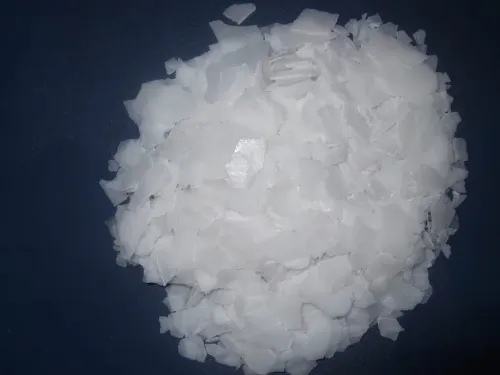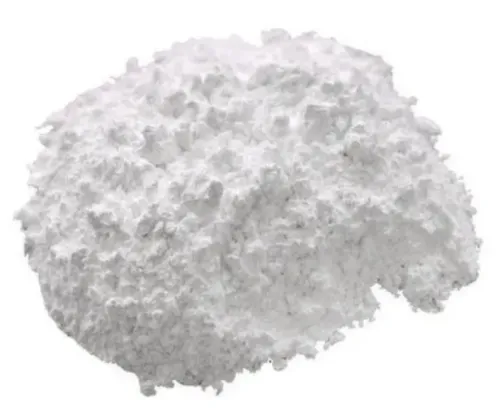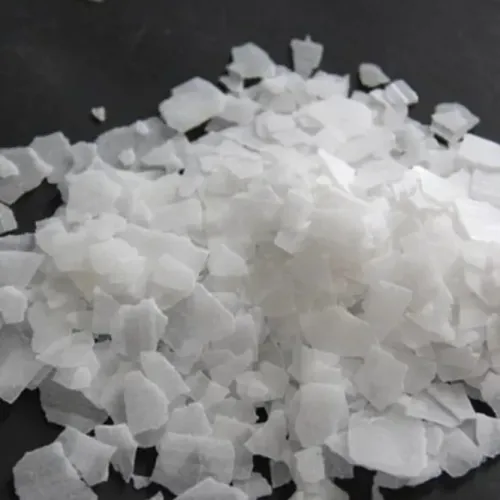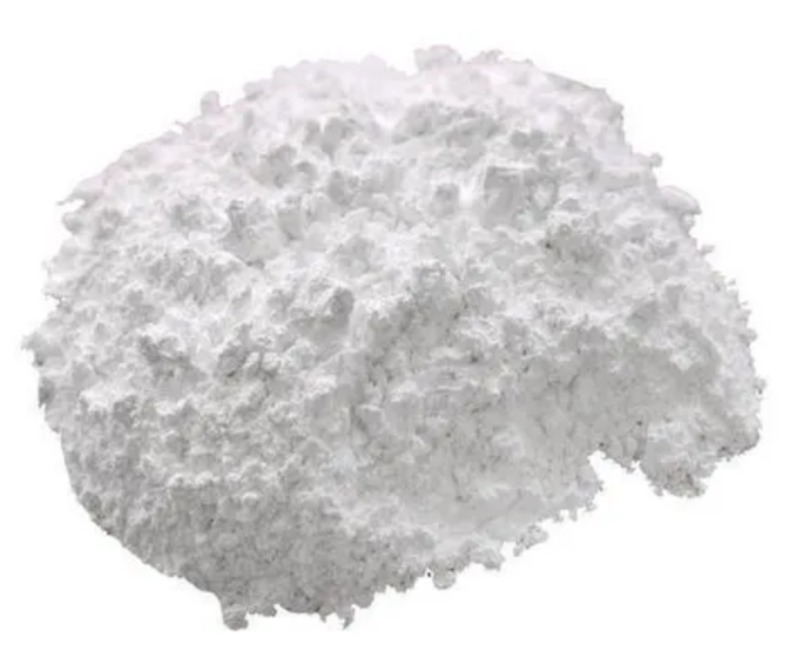
Caustic soda powder and caustic soda lye are associated with the same core chemical—sodium hydroxide—but choosing between solid and liquid forms is not merely a matter of preference.
The practical choice depends on the process.
A manufacturing unit may favour a solid form when its process requires preparation at the facility or when its storage and consumption arrangements are designed accordingly. Another plant may prefer caustic soda lye because a liquid feed integrates more conveniently with its dosing or processing system.
So, which one is better?
Neither is universally better. Suitability depends on concentration requirements, storage infrastructure, handling systems, consumption volume and process design.
This distinction is useful for procurement teams in Nashik because industrial facilities vary considerably in scale. A plant in Satpur may have bulk chemical storage and automated dosing arrangements, while a smaller unit elsewhere may work with packaged quantities.
Handling requirements should always form part of the decision. Sodium hydroxide is highly alkaline and corrosive in relevant forms and concentrations, so appropriate containers, transfer procedures, personal protective equipment and safety practices are important.
Cost comparisons also need context. Comparing only the quoted price without considering concentration, transportation, storage and usable material requirements can produce an incomplete picture.
Experienced procurement teams therefore tend to ask a few practical questions first. How will the chemical enter the process? What concentration does production require? How frequently is it consumed? What storage system is available?
Once these details are clear, choosing the appropriate form becomes far easier.
Omkar Industries can discuss caustic soda requirements with industrial buyers across Nashik and help align the enquiry with the required form, quantity and application.