Manufacturing schedules are built around dozens, sometimes hundreds, of inputs. A delay in one seemingly ordinary raw material can hold up a much larger production process.
This is one reason local and regional sourcing relationships remain relevant even in increasingly connected supply chains.
Nashik has developed into an important industrial centre in Maharashtra, with established manufacturing activity across areas such as Satpur and Ambad. Businesses operating in these clusters need regular access to engineering materials, process inputs and industrial chemicals.
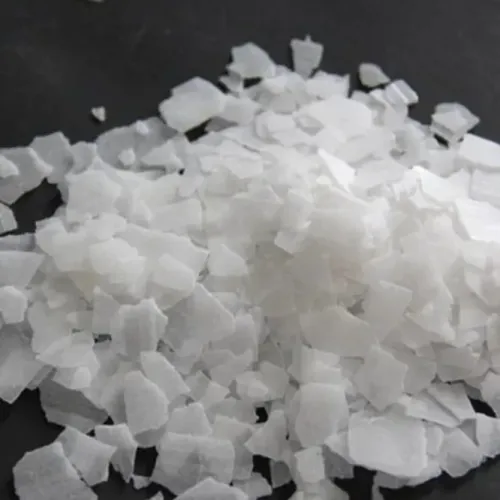
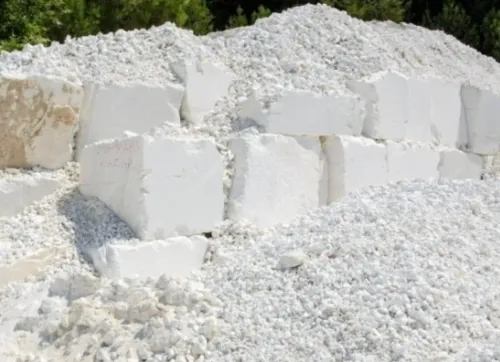
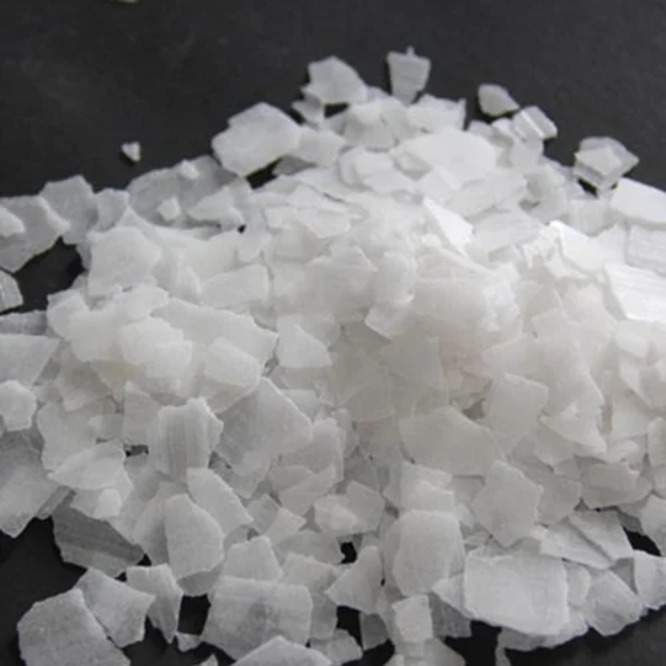
Products such as caustic soda lye, lime stone powder and sodium silicate can form part of very different production environments. Their importance isn't always visible in the finished product, but without the required input, a process may not proceed as planned.
For procurement managers, local supplier communication can make requirement discussions easier. Changes in quantity, production schedules or delivery planning can be discussed with a better understanding of the regional industrial environment.
That doesn't mean location should replace technical evaluation. Product suitability, required specifications, safe handling and commercial terms still need careful consideration.
Rather, proximity becomes one part of the broader procurement equation.
Industrial buyers increasingly look at total supply reliability instead of unit price alone. They consider whether the material suits the application, whether quantities can be planned properly and whether communication remains clear when requirements change.
This approach is particularly useful for businesses whose production demand fluctuates.
Omkar Industries works with industrial material requirements in Nashik, including commonly used chemical and mineral products. Businesses planning upcoming procurement can discuss their application and volume requirements to explore suitable supply arrangements.